
Konkola Copper Mines Expansion Drives Urgent Demand for New Power Capacity
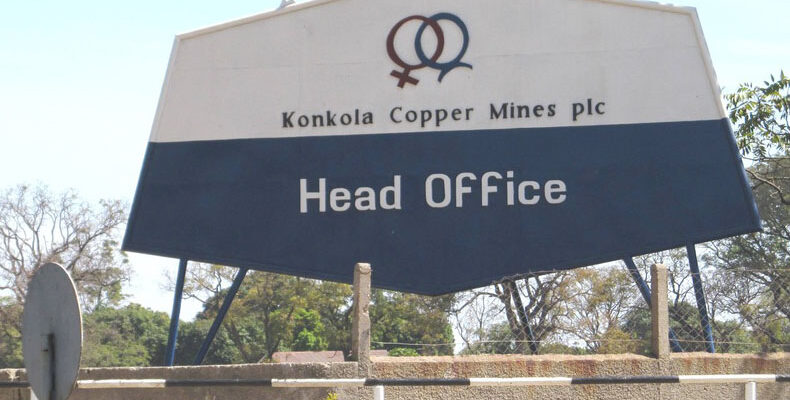
Konkola Copper Mines (KCM) is targeting 300,000 tonnes of annual copper production by 2031, with its expansion set to significantly increase electricity demand and add pressure on Zambia’s power system.
Konkola Copper Mines (KCM) is advancing an ambitious expansion programme aimed at increasing integrated copper production to 300,000 tonnes a year by 2031, with longer-term plans to reach 500,000 tonnes annually.
The expansion is being supported by CopperTech Metals, the US-domiciled vehicle established by Vedanta Resources for KCM, which has committed $1.5 billion to the mine’s expansion and modernisation.
KCM is targeting approximately 140,000 tonnes of integrated copper production in the 2026 financial year, before more than doubling output to 300,000 tonnes by 2031.
The scale of the planned increase is expected to place additional pressure on Zambia’s electricity supply, particularly as KCM expands deep-level mining and increases the amount of water that must be pumped from underground operations.
Konkola Deep at the centre of KCM expansion
A key component of KCM’s growth strategy is the Konkola Deep project in Chililabombwe, where underground mining is being developed at significant depth.
The mine shaft extends approximately 1,505 metres underground, while the Konkola Deep resource contains more than 291 million tonnes of ore and is expected to support a mine life of at least 50 years.
Copper grades are reported to reach as high as 3.3%, compared with KCM’s average grade of approximately 2.9%.
Deep-level mining at Konkola also presents substantial water-management challenges. The operation currently pumps about 450,000 cubic metres of water underground every day to keep the workings accessible.
As mining progresses to greater depths, dewatering requirements are expected to increase, adding to the mine’s already substantial electricity consumption.
KCM has engaged Mancala to undertake underground development works and has upgraded its high-speed underground rail system. The mine has also completed its first successful raise-boring exercise in 15 years, marking another step in the development of Konkola Deep.
KCM expansion increases demand for reliable power
Reliable and competitively priced electricity will be critical as KCM increases production.
According to records from Zambia’s Energy Regulation Board, KCM has a 100 MW power supply agreement with Kanona Power Company.
The company has also outlined plans for a 300 MW coal-fired power station, which would be developed in two phases at an estimated investment of approximately $317 million.
KCM’s growing power requirements come against the backdrop of broader expansion across Zambia’s mining sector.
Copperbelt Energy Corporation has estimated that Zambia could require nearly 10 GW of additional generation capacity and around $12 billion in energy investment by 2030 to support planned mining expansion.
The estimate underscores the growing relationship between Zambia’s copper-production ambitions and the availability of reliable electricity.
For mining companies operating large-scale, energy-intensive projects, shortages or disruptions in power supply can directly affect production, operating costs and investment returns.
Vedanta investment accelerates KCM production plans
KCM’s expansion follows significant investment by Vedanta Resources.
When Vedanta resumed management of KCM in August 2024, it committed $1 billion over five years to the company. By 2025, more than $400 million had reportedly been invested, including an initial $124 million injection completed ahead of schedule.
In November 2025, Vedanta transferred the asset into CopperTech Metals and announced a further $1.5 billion investment programme, building on approximately $3 billion in historical investment in KCM.
ZCCM Investments Holdings retains a 20.6% stake in Konkola Copper Mines.
ZCCM-IH chairman Phesto Musonda has indicated that proceeds from a potential CopperTech listing could help bring forward the development timeline for Konkola Deep by approximately three years.
Zambia’s copper ambitions increase pressure on power infrastructure
KCM’s expansion comes as Zambia seeks to substantially increase national copper production.
The country produced approximately 890,000 tonnes of copper in 2025 and has set an ambitious target of reaching 3 million tonnes a year.
Meeting that target will require investment not only in mines, processing facilities and transport infrastructure, but also in electricity generation and transmission.
The challenge is particularly significant for deep-level mining operations such as KCM, where electricity is required for underground production, ventilation, hoisting, processing and continuous dewatering.
As Konkola Deep advances, the amount of water that must be pumped from underground could increase, further raising the mine’s electricity requirements.
Power availability critical to KCM’s expansion
KCM’s planned increase to 300,000 tonnes of annual copper production represents a major expansion of its operations and Zambia’s broader copper industry.
However, achieving the target will depend on more than investment and access to high-grade copper resources.
The availability of reliable, sufficient and competitively priced electricity will be equally important.
KCM’s expansion therefore highlights a wider challenge facing Zambia: the country’s ambition to become a much larger copper producer must be matched by rapid investment in power generation, transmission and supporting energy infrastructure.
For Konkola Deep, the success of the expansion will ultimately depend on whether Zambia’s power system can keep pace with the demands of increasingly deep, complex and energy-intensive copper mining.
About The Author