

Redpath Africa Advances Underground Development at Mogalakwena Sandsloot
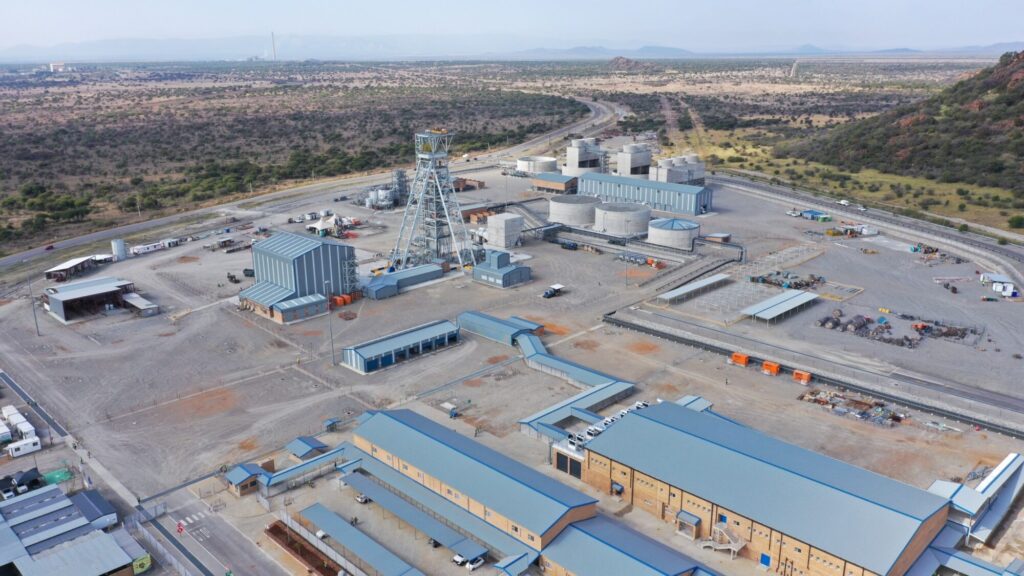
Redpath Africa Limited is advancing underground development at the Mogalakwena Sandsloot project in Limpopo, South Africa, applying its expertise in complex lateral development while supporting the development of local mining skills.
The project aims to access deeper mineral resources beneath an existing open pit through a network of underground workings. Redpath’s scope includes underground development, construction, raiseboring and preparation for longhole stoping, bringing several specialist capabilities together under one contractor.
Development on the current Phase B extension is progressing ahead of the corresponding schedule, according to the company. The progress highlights the importance of collaboration, adaptive planning and coordinated execution in a complex underground mining environment.
“Having spent more than 20 years in contracting, this is one of the smoothest operations I have worked on,” said Eldie Nortier, Contracts Manager, Mining, at Redpath Africa. “I believe that is a result of the contribution from both parties and the level of engagement between us.”
Collaborative Approach to Underground Development
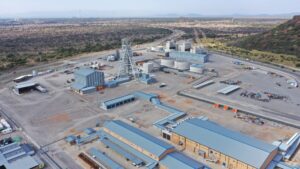
Located near Mokopane in Limpopo’s Waterberg District, Mogalakwena is a major platinum-group metals mining complex. The Sandsloot underground project is designed to access deeper resources beneath the existing open pit, using a decline for underground access rather than a conventional vertical shaft.
Redpath’s responsibilities include excavation, ground support, ventilation and the installation of essential underground services. These activities must be carefully coordinated to ensure that work areas, infrastructure and equipment are ready for each subsequent stage of development.
Close cooperation between Redpath and the mine’s technical teams is central to this process. By sharing operational information, addressing challenges and aligning execution with mine planning, the teams can identify efficiencies and respond to changing underground conditions.
“We do not approach the relationship simply as a client and contractor,” Nortier said. “We see ourselves as business partners. We have an open relationship, and when issues arise, we discuss them and put action plans in place together.”
This partnership-based approach is particularly important in a project where geological conditions, infrastructure requirements and operational priorities can influence development sequences and timelines.
Mechanised Mining and Specialist Capabilities
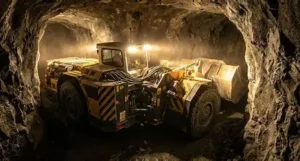
Lateral development is a core component of Redpath’s underground mining expertise. At Sandsloot, the company uses mechanised drill-and-blast methods supported by trackless loading and hauling equipment, mechanised ground-support installation and specialist underground construction services.
The operation employs development drilling rigs, loaders and underground haul trucks to excavate access routes and establish the infrastructure needed for safe and efficient underground operations.
Redpath’s broader capabilities also include raiseboring and other specialist services, enabling related work packages to be coordinated through a single contractor. This integrated approach can help align excavation with the installation of ventilation systems, ground support and essential underground services.
The development programme must also accommodate changing geological conditions and evolving infrastructure requirements. Close coordination between Redpath and the mine’s technical personnel helps the teams adapt work plans while maintaining focus on safety, productivity and project milestones.
Building South Africa’s Underground Mining Skills
Alongside its operational responsibilities, Redpath is investing in the development of local technical expertise at Sandsloot.
Specialist trainer-operators are helping South African personnel develop skills in development drilling, longhole drilling, remote operation and other specialised underground activities. The objective is to strengthen the practical knowledge and technical competence needed to operate and maintain advanced mining equipment safely and effectively.
According to the company, project assessments have shown a narrowing gap in average drilling performance between South African and expatriate operators. South African crews have also demonstrated strong overall drilling output.
Redpath has additionally supported the alignment of international technical experience with local competency requirements, including the accreditation of expatriate electricians as competent electricians in South Africa.
“Bringing in specialist expertise is only part of the process. We also need to develop our local workforce and create opportunities for South African personnel to gain the skills and experience required for this type of operation,” Nortier said.
Combining specialist knowledge with structured local skills development can help build the workforce required to support increasingly complex underground mining operations.
Progress Towards the Next Development Milestone
The current Phase B extension is scheduled to continue until August 2027, with development progressing towards the next stage of underground mining and production readiness.
Recent work includes the development of critical ventilation infrastructure and preparations for trial stoping. These activities will help the team evaluate the mining method under the project’s operating conditions and establish the infrastructure required for subsequent stages.
Progress depends on coordinating underground development, drilling, ground support, ventilation and equipment readiness. Delivering these activities in sequence will be important in preparing the operation for its next development milestones.
For Redpath Africa, the Sandsloot project demonstrates how mechanised mining, specialist underground construction and close client collaboration can support complex mine development while contributing to local skills development.
As work continues towards the planned August 2027 milestone, the project also highlights the role of technical training and knowledge transfer in strengthening South Africa’s underground mining capabilities.
About The Author