
DR Congo Plans Centralised Mining Investment Agency
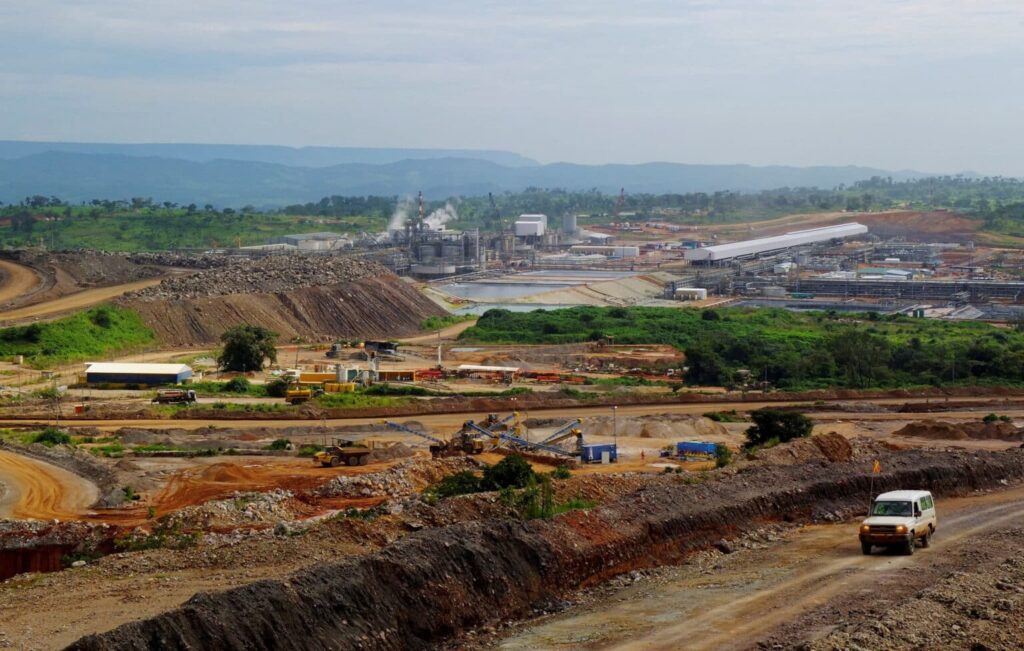
FILE PHOTO: A view of processing facilities at Tenke Fungurume, a copper and cobalt mine 110 km (68 miles) northwest of Lubumbashi in Congo's copper-producing south. Picture taken January 29, 2013. REUTERS/Jonny Hogg/File Photo
The Democratic Republic of Congo is preparing to establish a centralised agency for major mining investments as part of reforms linked to its growing minerals partnership with the United States.
The proposed agency is intended to simplify investment procedures, reduce administrative delays and attract more international capital into the country’s mining sector.
The move comes as global demand for critical minerals continues to grow. DR Congo is the world’s largest cobalt producer and one of the world’s leading copper producers, placing the country at the centre of growing competition for minerals used in electric vehicles, renewable energy systems, batteries and advanced manufacturing.
China, the United States and the European Union have all developed mineral partnerships with Kinshasa as governments and companies seek greater access to critical mineral supplies.
A One-Stop Agency for Mining Investors
The proposed agency would provide a central point of contact for major domestic and international mining investors.
The planned system is expected to bring together services including company registration, licensing, taxation and regulatory compliance.
By consolidating these processes, the government aims to reduce the time and administrative complexity involved in establishing and expanding large-scale mining operations.
The agency would be open to investors from different countries rather than being limited to US or European companies. Chinese, European, American and other international investors would therefore be able to use the same investment framework.
Focus on Major Mining Projects
The initial focus is expected to be on large joint-venture projects valued at more than $1 billion, particularly operations benefiting from special fiscal arrangements.
Large copper and cobalt ventures are likely to be among the projects affected by the proposed reforms.
The initiative is being developed by government authorities responsible for finance and economic policy. Legislation establishing the new agency will still need to be formally enacted before the system can become fully operational.
The government has indicated that the objective is to make the investment process more efficient while improving coordination between different public institutions involved in the mining sector.
Diversifying Mining Investment
DR Congo has vast reserves of copper, cobalt and other minerals that are increasingly important to the global energy and technology industries.
The country has traditionally attracted significant investment from Chinese companies, particularly in copper and cobalt mining and processing.
However, Kinshasa has increasingly sought to diversify its sources of investment, financing and export markets.
The new investment framework is therefore intended to attract additional capital without necessarily excluding existing investors.
A more streamlined system could make it easier for companies from different regions to evaluate, establish and expand mining projects in the country.
Critical Minerals and the Energy Transition
Cobalt and copper are important inputs for several technologies associated with electrification and the energy transition.
Cobalt is widely used in lithium-ion battery technologies, while copper is essential for electrical wiring, power infrastructure, electric vehicles and renewable-energy systems.
As demand for these technologies grows, access to reliable supplies of critical minerals has become increasingly important for governments and manufacturers.
DR Congo’s position as a major source of these minerals gives the country significant importance in global supply chains.
The proposed investment agency represents part of a wider effort to strengthen the country’s position within those supply chains while attracting a broader range of international investors.
A Changing Mining Investment Landscape
If implemented, the one-stop investment model could change how major mining projects are established and managed in DR Congo.
For investors, centralising administrative procedures could reduce duplication and make regulatory processes easier to navigate. For the government, the system could provide a more coordinated approach to managing large-scale mining investments.
The success of the reform will ultimately depend on how effectively the agency is implemented, how transparent its procedures are and whether it can deliver faster approvals while maintaining appropriate regulatory and environmental standards.
As competition for copper, cobalt and other critical minerals intensifies, DR Congo is positioning itself to attract investment from a wider range of international partners while maintaining its role as a major supplier to the global minerals market.
About The Author