

Namibia’s Elizabeth Bay Diamond Mine Set for $50 Million Revival
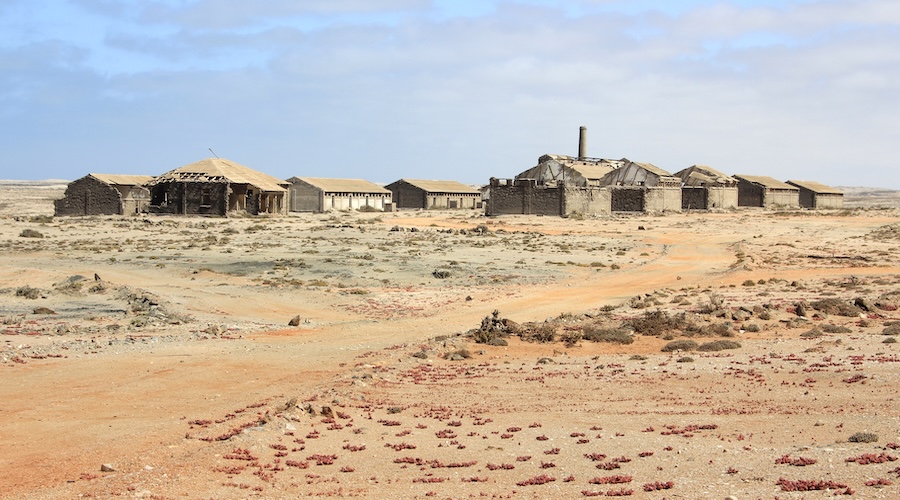
Dutch investor Kenzoll Capital and Namibian partner MSF Commercials plan to restart the Elizabeth Bay diamond mine, bringing new investment amid a sustained downturn in Namibia’s diamond industry.
Namibia’s diamond mining sector is set for a potential boost following plans by Dutch private equity investor Kenzoll Capital and Namibian-registered MSF Commercials to invest $50 million in restarting the Elizabeth Bay diamond mine.
Located in the Sperrgebiet region, the operation holds an estimated 10.5 million carats of onshore and offshore diamond resources, according to Kenzoll Capital. Part of the planned investment will also support exploration for other minerals, signalling an ambition to expand beyond diamond production.
“We’re committed to getting the mine producing again, providing jobs and economic value to an area that has relied heavily on diamonds for over a century,” said Kenzoll Capital CEO Corné Melissen.
He added that the partnership forms part of the investor’s long-term commitment to Namibia, with diamonds serving as the starting point for potential investment in critical minerals.
Namibia’s Diamond Industry Faces Mounting Pressure
The planned restart comes as Namibia’s diamond industry grapples with a significant decline in exports. According to the figures cited in the report, diamond exports fell by 67%, from NAD 5.1 billion (approximately $306.9 million) in 2022 to NAD 1.7 billion (approximately $102.3 million) in 2025.
The Bank of Namibia has identified the industry downturn as a major risk to economic growth, highlighting the importance of investment and diversification within the mining sector.
Against this backdrop, the proposed Elizabeth Bay revival represents an effort to return an existing mining asset to production while potentially creating employment and supporting economic activity in the surrounding region.
New Investment and a Return to Operations
Kenzoll Capital has already invested more than $10 million in Namibia, with a stated focus on supporting local employment and the wider economy.
Its partnership with MSF Commercials marks a new phase for Elizabeth Bay, which its former owner, De Beers, had determined was no longer economically viable for the company to operate.
De Beers initiated the mine’s sale process in 2018, with the transaction completed in 2019. The purchasing consortium included the Lewcor Group as majority owner and MSF Commercials as a minority shareholder.
The proposed $50 million investment is intended to support the mine’s return to production, although the timing and operational details of the restart will be important factors in determining its eventual contribution to Namibia’s mining industry.
Beyond Diamonds: Exploring Critical Minerals
The planned exploration for other minerals could provide a pathway towards diversifying the project’s resource base. However, the commercial potential of any additional minerals will depend on exploration results, technical assessments and economic viability.
For Namibia, the project highlights the continuing role of foreign investment and local partnerships in efforts to sustain mining activity during a challenging period for diamond exports.
The Elizabeth Bay revival will ultimately be measured by its ability to resume production, generate employment, attract further investment and establish a commercially sustainable operation. Its progress will also offer an indication of how existing mining assets can be repositioned as the industry responds to changing market conditions.
About The Author