

DRC Mines Face Growing Pressure to Decarbonise
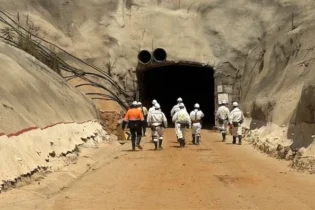
Mines in the Democratic Republic of Congo (DRC) are facing growing pressure to reduce carbon emissions as the country moves towards regulating carbon markets and introducing measures that could give emissions a direct financial impact.
The shift is encouraging mining companies to look more closely at practical ways to monitor, reduce and replace fossil-fuel use across their operations.
Under Ordinance-Law No. 23/007, adopted in March 2023, the DRC has begun establishing a framework to strengthen environmental protection and support its international climate commitments.
For mining companies, this means emissions management is becoming an increasingly important operational and financial consideration.
Monitoring emissions comes first
The first step for mines is to identify their largest sources of greenhouse-gas emissions.
Mining operations use significant amounts of energy, with diesel-powered haul trucks and other mobile equipment typically among the biggest sources of emissions.
However, choosing lower-emission technology is not simply a matter of selecting the newest available equipment.
Mines also need to consider whether the local infrastructure and supply chain can support new technologies through reliable access to technicians, spare parts, maintenance and repairs.
Low-emission equipment may deliver environmental benefits, but long delays for servicing or replacement parts could create costly production disruptions.
Proven technology is critical
For DRC mines, established and proven technologies may offer a more practical route to decarbonisation.
Hybrid haul trucks, electric equipment and other low-carbon solutions are already being tested or deployed in mining and industrial operations in other parts of the world.
Their wider adoption in the DRC will depend partly on whether the country can develop the technical skills, maintenance networks and infrastructure required to keep this equipment operating reliably.
Decarbonisation will also depend on improvements outside individual mine sites, particularly in energy, transport and electricity infrastructure.
Hydropower could play a bigger role
The DRC has significant potential for hydroelectric power because of its extensive river network and favourable geography.
However, unreliable electricity supply means many mines rely on their own diesel-generation capacity, increasing their carbon footprint.
Improving the reliability of the national grid could therefore help mines reduce emissions without requiring every operation to develop its own replacement power system.
This is becoming increasingly important as international mineral buyers strengthen their own climate requirements.
The European Union’s Carbon Border Adjustment Mechanism (CBAM) is one example of the changing regulatory environment. The mechanism places a carbon price on certain carbon-intensive imports entering the EU, increasing the importance of emissions performance for exporters.
For DRC mines, failure to reduce emissions could eventually affect their competitiveness in international markets.
Better transport can reduce emissions
Transport infrastructure is another important part of the equation.
Improved roads can reduce fuel consumption by allowing trucks to travel more efficiently, while greater use of rail could provide even larger emissions savings when transporting bulk minerals and heavy equipment.
Electrified rail powered by renewable energy could offer additional benefits.
These improvements would not only reduce emissions directly but could also lower the carbon footprint of the wider mining supply chain, from equipment deliveries to mineral exports.
Reduce energy use, then replace fossil fuels
Mining companies can begin by improving energy efficiency.
Measures such as automated haulage, optimised ventilation and improved mine planning can reduce energy consumption without requiring major changes to the underlying power system.
However, efficiency alone has limits.
A larger reduction in emissions will require mines to replace fossil fuels with lower-carbon energy sources.
Diesel used by haul trucks and other mobile equipment remains one of the biggest challenges because the infrastructure needed to fully electrify heavy mining fleets is still developing.
Battery-electric haulage and battery-swapping systems are already being explored in other industrial applications, providing potential models for future mining operations.
Decarbonisation must influence mine planning
New technologies do not necessarily need to be introduced only after a mine has been designed.
Mining companies can consider options such as trolley-assist haulage, electric equipment and alternative energy systems during the initial mine-planning process.
This could allow mine layouts, haul routes and infrastructure to be designed around lower-carbon technologies from the beginning.
The economics of mining are also changing. Decarbonisation is increasingly becoming part of financial performance, export competitiveness and environmental, social and governance (ESG) considerations.
For the DRC’s mining industry, the transition will require more than replacing diesel equipment. It will depend on better emissions monitoring, reliable electricity, stronger transport infrastructure, proven technologies and a supply chain capable of supporting new equipment.
With the country moving towards stronger carbon regulation and international customers demanding lower-carbon minerals, decarbonisation is becoming an increasingly important part of maintaining the competitiveness of DRC mining.
About The Author