
DRC Seeks to Revive Oil Exploration in the Lake Albert Basin
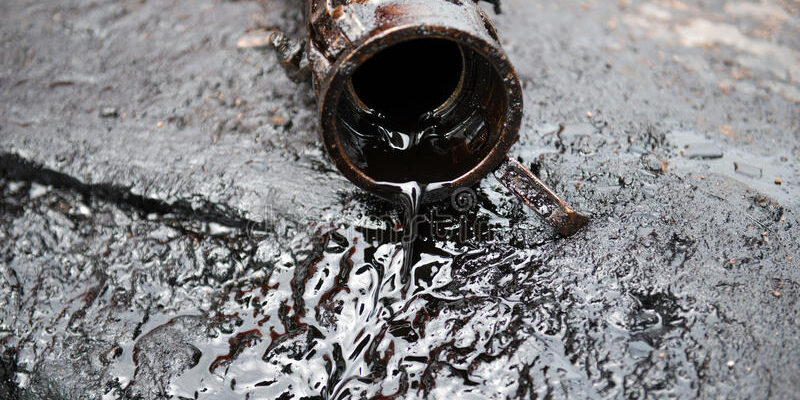
The Democratic Republic of Congo is seeking new investment and technical partnerships to advance oil exploration around Lake Albert, with renewed cooperation with Uganda central to its energy ambitions.
The Democratic Republic of Congo (DRC) is seeking to revive oil exploration in the strategically important Lake Albert basin as President Félix Tshisekedi looks to unlock the country’s hydrocarbon potential, attract investment and strengthen its position in East Africa’s energy sector.
The renewed focus follows years of limited progress in the Congolese section of the Albertine Graben, particularly in Blocks 1 and 2. Despite their proximity to Uganda’s established oil discoveries and ongoing development activities, these blocks remain largely undeveloped, with further exploration required to establish their commercial potential.
Authorities in Kinshasa are reportedly exploring options to attract new investors and technical partners to advance exploration activities. The initiative forms part of wider efforts to diversify the country’s natural resource sector and support long-term economic development.
Strengthening Energy Cooperation with Uganda
Cooperation with neighbouring Uganda is expected to play an important role in the DRC’s plans for the Lake Albert region. Uganda has advanced oil development on its side of the basin, supported by investment in petroleum infrastructure and preparations for commercial production.
President Tshisekedi has emphasised the importance of closer collaboration between the two countries in managing their shared geological resources. Because petroleum-bearing formations can extend across national boundaries, geological data sharing, technical coordination and cross-border dialogue could help inform exploration strategies and future development decisions.
For the DRC, stronger cooperation could also provide opportunities to learn from Uganda’s experience in developing its petroleum sector, including the technical, regulatory and infrastructure requirements associated with bringing oil resources into production.
However, geological similarities do not guarantee commercially recoverable oil on the Congolese side. Further seismic surveys, exploration drilling and technical studies will be necessary to determine whether viable reserves exist and whether they can be developed economically.
Oil Exploration as an Economic Development Opportunity
The Congolese government views energy development as a potential driver of industrialisation and economic transformation. If commercially viable discoveries are established, petroleum development could attract foreign capital, create employment, generate public revenue and support investment in infrastructure.
The Lake Albert basin could therefore become an additional component of the DRC’s natural resource economy, which is heavily associated with mineral production.
Nevertheless, moving from exploration to commercial production requires substantial investment and a clear understanding of the geological and commercial risks. Investors will need reliable geological data, transparent licensing arrangements, regulatory certainty and evidence of commercially recoverable reserves before committing to large-scale projects.
Infrastructure availability, security conditions and access to markets will also influence the feasibility of future development.
Environmental Protection and Community Interests
Any renewed exploration programme will need to address environmental and social considerations, particularly given Lake Albert’s ecological importance and the communities that depend on its surrounding land and water resources.
Exploration and potential production activities require appropriate environmental assessments, effective risk management and meaningful engagement with local communities. Protecting water quality, biodiversity and local livelihoods will be important considerations as the government evaluates development opportunities.
Balancing these requirements with investment objectives will be essential to establishing a responsible and sustainable petroleum sector.
Outlook for the Lake Albert Basin
The DRC’s renewed interest in Lake Albert signals an ambition to expand its energy sector beyond mining and strengthen economic cooperation with Uganda.
However, the next phase will depend on the government’s ability to secure credible technical partners, improve access to geological information and establish the conditions needed for exploration investment.
For now, the initiative represents a renewed exploration ambition rather than confirmation of commercially viable reserves or an imminent start to oil production.
If future studies establish commercially recoverable resources, the Congolese side of the Lake Albert basin could offer new opportunities for investment and regional energy cooperation. The scale and timing of those opportunities will depend on exploration results, infrastructure requirements, regulatory decisions and environmental safeguards.
About The Author